

Cryptocurrency has become one of the biggest financial topics in the world. A few years ago, many people thought crypto was just a strange internet experiment where people bought digital coins with funny names. Today, cryptocurrencies are discussed by investors, businesses, governments, and even regular people who are simply curious about how money is changing.
In 2026, cryptocurrency is no longer just about buying Bitcoin and hoping the price goes up. The crypto world has expanded into digital payments, blockchain technology, decentralized finance, tokenized assets, artificial intelligence, gaming, and many other industries.
However, for beginners, cryptocurrency can still feel confusing. There are thousands of coins, complicated words like blockchain and smart contracts, and plenty of online opinions that make things even more complicated. Sometimes learning crypto feels like trying to understand a new language where everyone is speaking faster than your internet connection.
This beginner-friendly guide will explain cryptocurrency in simple words, how it works, the benefits and risks, popular trends in 2026, and how beginners can start learning safely.
What Is Cryptocurrency?
Cryptocurrency is a type of digital money that uses blockchain technology to record transactions and protect information. Unlike traditional currencies such as the US dollar or euro, most cryptocurrencies are not controlled by a central bank.
Instead, cryptocurrencies operate through a network of computers around the world. These computers verify transactions and maintain records.
Think of cryptocurrency like digital cash stored in a secure online wallet. The difference is that instead of a bank keeping track of your money, a technology system does the job.
Some popular cryptocurrencies include:
| Cryptocurrency | Main Purpose |
|---|---|
| Bitcoin (BTC) | Digital store of value and online currency |
| Ethereum (ETH) | Smart contracts and decentralized applications |
| Solana (SOL) | Fast blockchain applications and transactions |
| Cardano (ADA) | Blockchain development and research |
| Polygon (POL) | Scaling blockchain applications |
Bitcoin remains the most famous cryptocurrency, but the industry has grown far beyond one digital coin.
How Does Cryptocurrency Work?
To understand cryptocurrency, beginners need to understand three basic ideas:
1. Blockchain Technology
A blockchain is a digital record system that stores cryptocurrency transactions.
Imagine a giant online notebook that millions of people can see. Every time someone sends cryptocurrency, the transaction is recorded in this notebook. Once information is added, changing it becomes extremely difficult.
The blockchain helps create:
- Transparency
- Security
- Faster transactions
- Reduced dependence on traditional financial systems
Blockchain is not only used for cryptocurrency. Companies are exploring blockchain for healthcare, supply chains, identity verification, and many other industries.
2. Cryptocurrency Wallets
A cryptocurrency wallet is a tool that allows users to store, send, and receive digital assets.
There are different types of wallets:
| Wallet Type | Description |
|---|---|
| Hot Wallet | Connected to the internet and easy to use |
| Cold Wallet | Offline storage with higher security |
| Mobile Wallet | Smartphone-based crypto storage |
| Hardware Wallet | Physical device for protecting crypto |
A wallet does not actually store coins like a physical wallet stores cash. Instead, it stores the private keys that give access to cryptocurrency.
A simple way to remember it:
Your wallet is like your house. Your private key is the key to the front door. Lose the key, and getting inside becomes a very expensive problem.
3. Cryptocurrency Mining and Validation
Many cryptocurrencies use computers to confirm transactions.
Bitcoin uses a process called mining, where powerful computers solve complex problems to secure the network.
Other cryptocurrencies use different methods, such as proof-of-stake, where users help secure the network by locking their coins.
These systems help prevent fraud and keep blockchain networks running.
Why Is Cryptocurrency Popular in 2026?
Cryptocurrency continues growing because people see potential benefits in digital finance.
1. Global Digital Payments
One major reason for crypto adoption is faster international payments.
Traditional international transfers can take days and may include high fees. Cryptocurrency transactions can sometimes happen much faster.
Businesses and individuals are exploring crypto payments because digital transactions can operate across borders.
2. More People Are Learning About Blockchain
In the past, cryptocurrency was mainly discussed by technology experts and investors.
In 2026, more beginners are learning about blockchain because:
- Online education is improving
- Financial apps are becoming easier to use
- Businesses are experimenting with digital assets
- Younger generations are interested in alternative finance
Crypto is slowly moving from a niche technology into a broader financial topic.
3. Growth of Decentralized Finance (DeFi)
Decentralized finance, often called DeFi, allows people to access financial services without traditional banks.
Examples include:
- Digital lending
- Cryptocurrency exchanges
- Savings programs
- Automated financial tools
DeFi attempts to create financial services that operate through blockchain networks.
Cryptocurrency Trends to Watch in 2026
The crypto industry changes quickly. A coin that is popular today may disappear tomorrow. The crypto market can sometimes feel like a roller coaster designed by a computer programmer who drank too much coffee.
Here are important trends beginners should understand.
1. Bitcoin and Institutional Adoption
Bitcoin continues to receive attention from large companies and financial institutions.
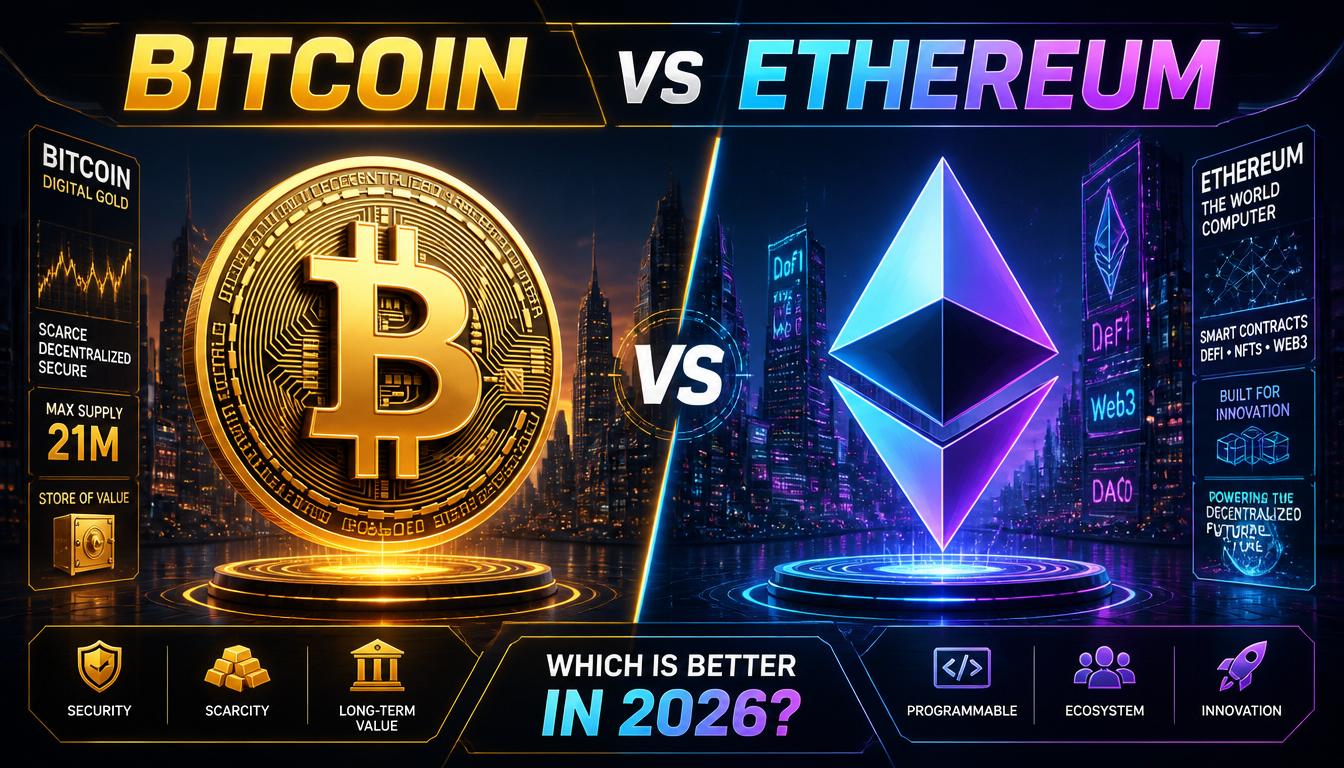
Many investors view Bitcoin as a digital asset similar to gold because of its limited supply.
However, Bitcoin prices can still change dramatically, and beginners should understand that popularity does not remove risk.
2. Artificial Intelligence and Blockchain
AI and blockchain are becoming connected in new ways.
Projects are exploring:
- AI-powered financial tools
- Automated trading systems
- Decentralized AI networks
- Data security solutions
The combination of AI and blockchain is expected to become a major technology area.
3. Tokenized Real-World Assets
One growing idea is turning real-world assets into digital tokens.
Examples include:
- Real estate ownership
- Company shares
- Digital certificates
- Financial products
Tokenization could make certain investments easier to access.
4. Stablecoins Growth
Stablecoins are cryptocurrencies designed to maintain a stable value.
Unlike Bitcoin, which can experience large price movements, stablecoins usually aim to follow traditional currencies such as the US dollar.
Examples of stablecoin uses:
- Online payments
- International transfers
- Digital finance applications
Benefits of Cryptocurrency
Cryptocurrency offers several possible advantages.
1. Financial Access
People without easy access to traditional banking services may use cryptocurrency for digital payments.
A smartphone and internet connection can provide access to global financial networks.
2. Faster Transactions
Cryptocurrency can allow quicker transfers, especially for international payments.
Traditional banking systems often require multiple steps, while blockchain networks can operate continuously.
3. More Control Over Money
Cryptocurrency gives users direct control over their digital assets.
Users can manage their wallets without depending entirely on banks.
4. Innovation Opportunities
Blockchain technology creates opportunities in:
- Digital identity
- Gaming
- Finance
- Business systems
- Online communities
Risks of Cryptocurrency for Beginners
Although cryptocurrency has opportunities, beginners should understand the risks.
1. Price Volatility
Crypto prices can change quickly.
A coin can rise significantly one week and fall the next.
This means cryptocurrency investment requires careful planning.
2. Scams and Fraud
The crypto industry has attracted scammers because many beginners are unfamiliar with the technology.
Common scams include:
- Fake investment websites
- Fake giveaways
- Fraudulent coins
- Phishing messages
A simple rule:
If someone promises guaranteed huge profits, your wallet should probably walk away faster than you do.
3. Lack of Knowledge
Many people lose money because they invest without understanding what they are buying.
Before investing, beginners should learn:
- How blockchain works
- What a project does
- Who created it
- How the technology is used
How Beginners Can Start With Cryptocurrency in 2026
Starting with crypto does not mean immediately buying expensive coins. Learning should come first.
Step 1: Learn Basic Terms
Important beginner terms include:
| Term | Meaning |
|---|---|
| Blockchain | Digital transaction record system |
| Wallet | Tool for storing crypto access |
| Exchange | Platform for buying and selling crypto |
| Token | Digital asset created on blockchain |
| Mining | Process of verifying transactions |
Step 2: Choose a Reliable Cryptocurrency Platform
Beginners should research platforms carefully.
Important factors include:
- Security features
- User reviews
- Available cryptocurrencies
- Fees
- Customer support
Never choose a platform only because someone online says, “Trust me, this coin will make you rich tomorrow.”
Step 3: Start Small
Beginners should avoid investing money they cannot afford to lose.
A safer approach is:
- Learn first
- Start with small amounts
- Avoid emotional decisions
- Track your investments
Step 4: Protect Your Account
Security is extremely important.
Good habits include:
- Use strong passwords
- Enable two-factor authentication
- Avoid sharing private keys
- Be careful with unknown links
Cryptocurrency vs Traditional Money
| Feature | Cryptocurrency | Traditional Money |
|---|---|---|
| Control | Mostly decentralized | Controlled by governments and banks |
| Technology | Blockchain | Banking systems |
| Speed | Often fast | Can be slower |
| Physical Form | Digital only | Physical and digital |
| Regulation | Developing | Established |
Both systems have advantages and disadvantages. Cryptocurrency is not necessarily replacing traditional money overnight. Instead, both systems may continue developing together.
Is Cryptocurrency a Good Investment in 2026?
There is no guaranteed answer.
Cryptocurrency can provide opportunities, but it also involves significant risk.
A smart beginner should focus on:
- Education
- Research
- Long-term thinking
- Risk management
Successful investors usually do not make decisions based only on excitement or online trends.
The crypto market rewards patience and knowledge more than quick guesses.

Final Thoughts: The Future of Cryptocurrency
Cryptocurrency in 2026 represents more than digital coins. It represents a major change in how people think about money, technology, and financial systems.
For beginners, the most important step is not rushing to buy cryptocurrency. The first investment should be knowledge.
Understanding blockchain, learning security practices, and researching projects can help beginners make better decisions.
Cryptocurrency may continue growing, changing, and creating new opportunities. But remember: technology moves fast, and the smartest crypto users are usually the ones who take time to understand the game before playing it.









Leave a Reply